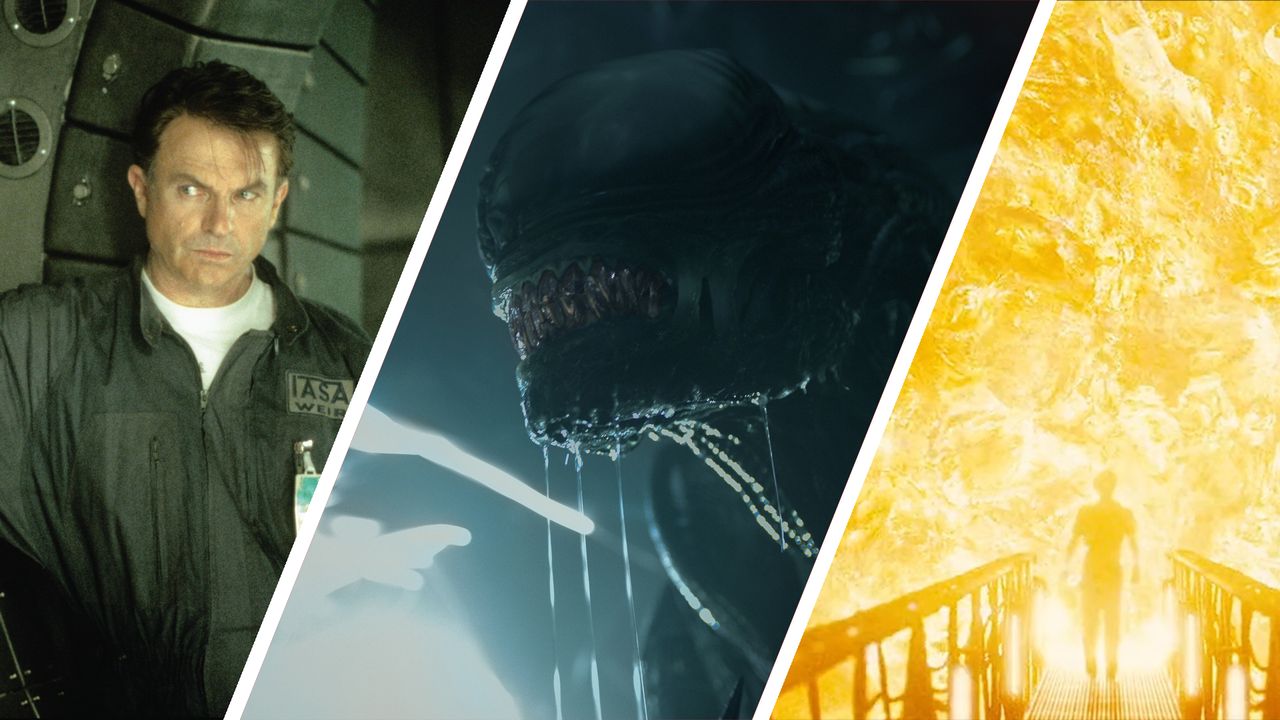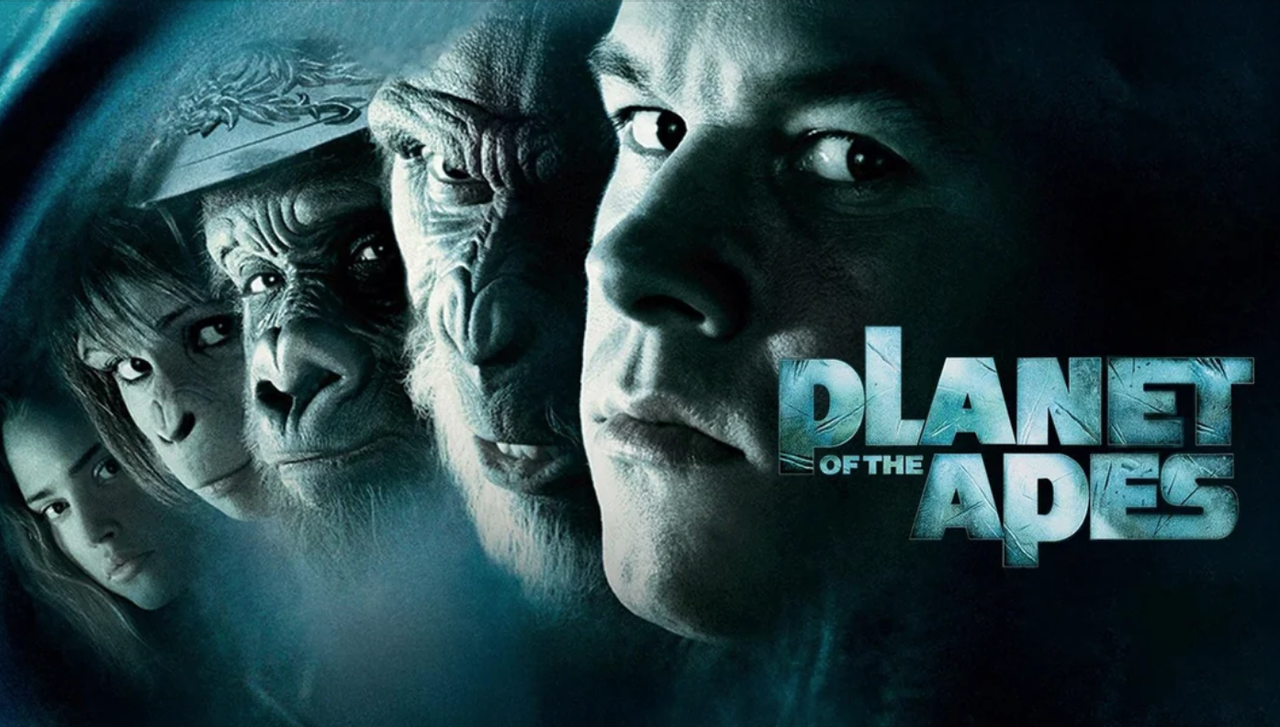
25 years on, 2001's 'Planet of the Apes' has become a bit of a guilty pleasure
Time to fire up the Wayback Machine to pay tribute to Tim Burton's controversial sci-fi reimagining.
Research, discovery, and the natural world.
Time to fire up the Wayback Machine to pay tribute to Tim Burton's controversial sci-fi reimagining.
On July 27, 1962, two Russian cosmonauts boarded a Soviet airliner and experienced weightlessness without going to space. Here's why it mattered.
Between biosignatures and technosignatures lie noosignatures, and some scientists think they could help us find alien life someday.
Save on ZWO astrophotography gear at B&H Photo Video. Shop discounts on astrocams, telescopes and mounts to upgrade your stargazing setup with top deals today.
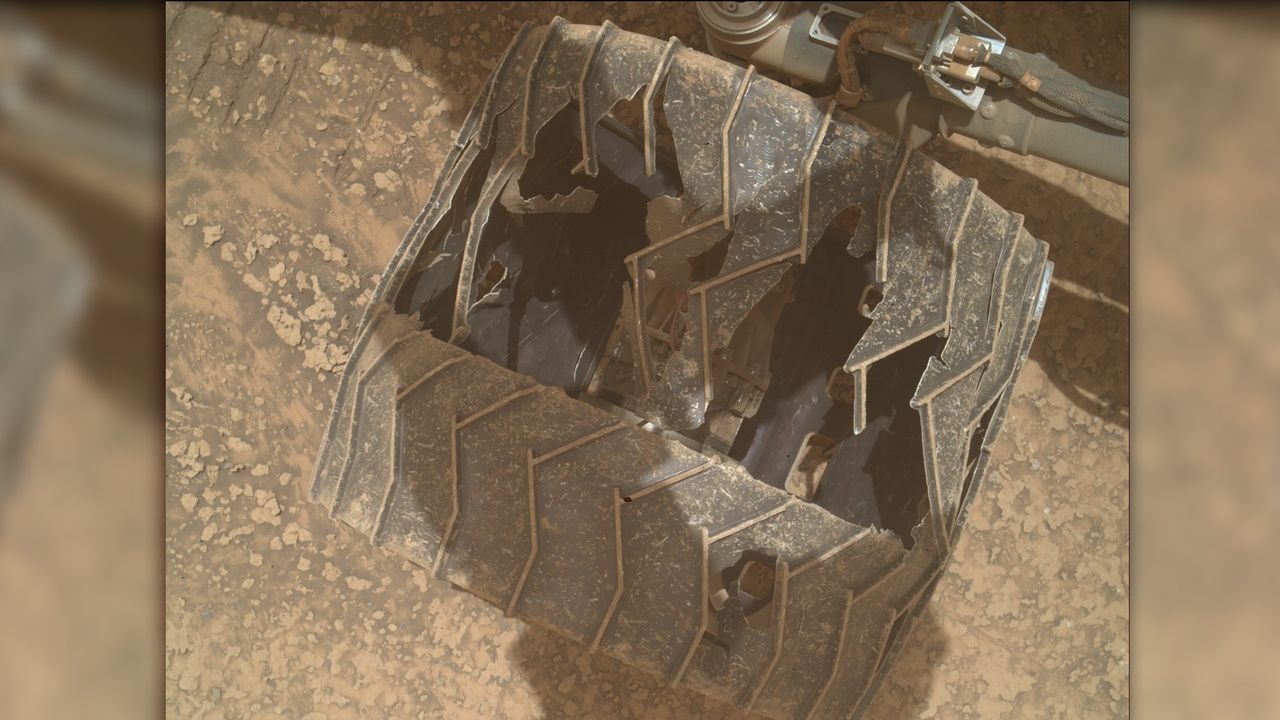
NASA's Curiosity Mars rover has experienced some serious wear and tear during its nearly 14 years on the Red Planet, as seen in new images of its wheels.
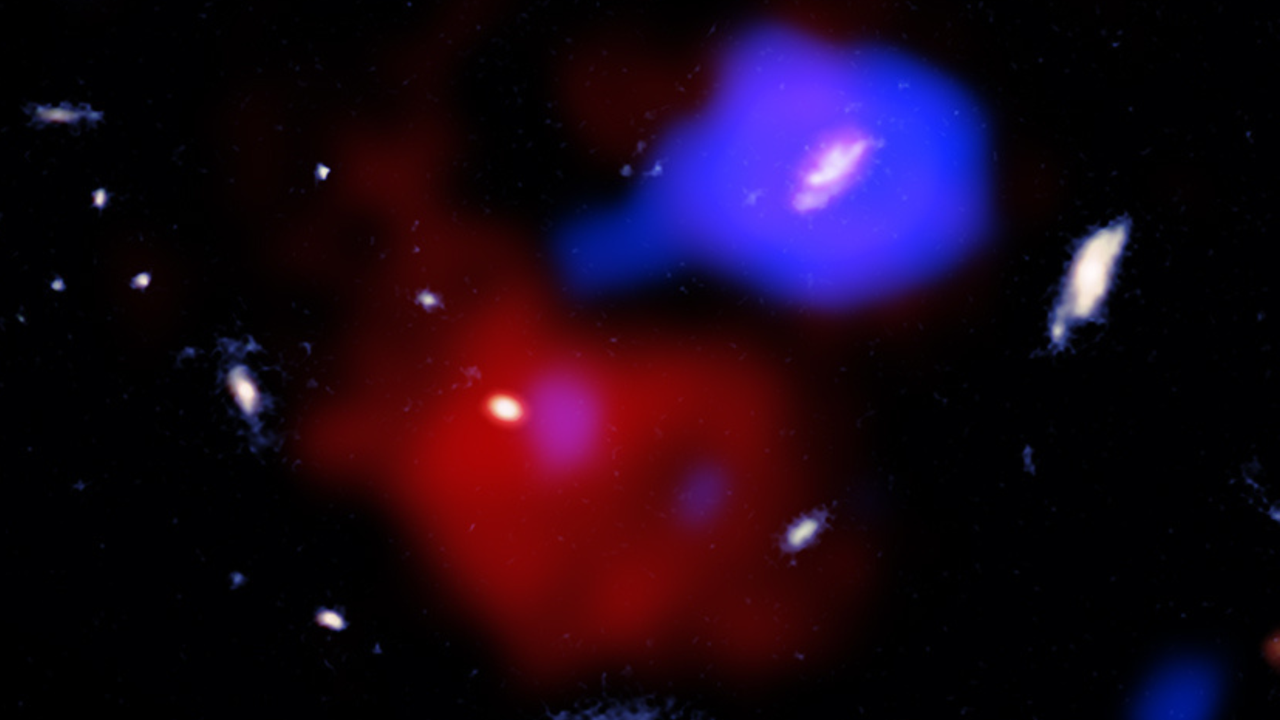
Using the Chandra X-ray spacecraft, astronomers have seen a jet from a feeding supermassive black hole churning gas surrounding a galaxy nicknamed the "red potato."
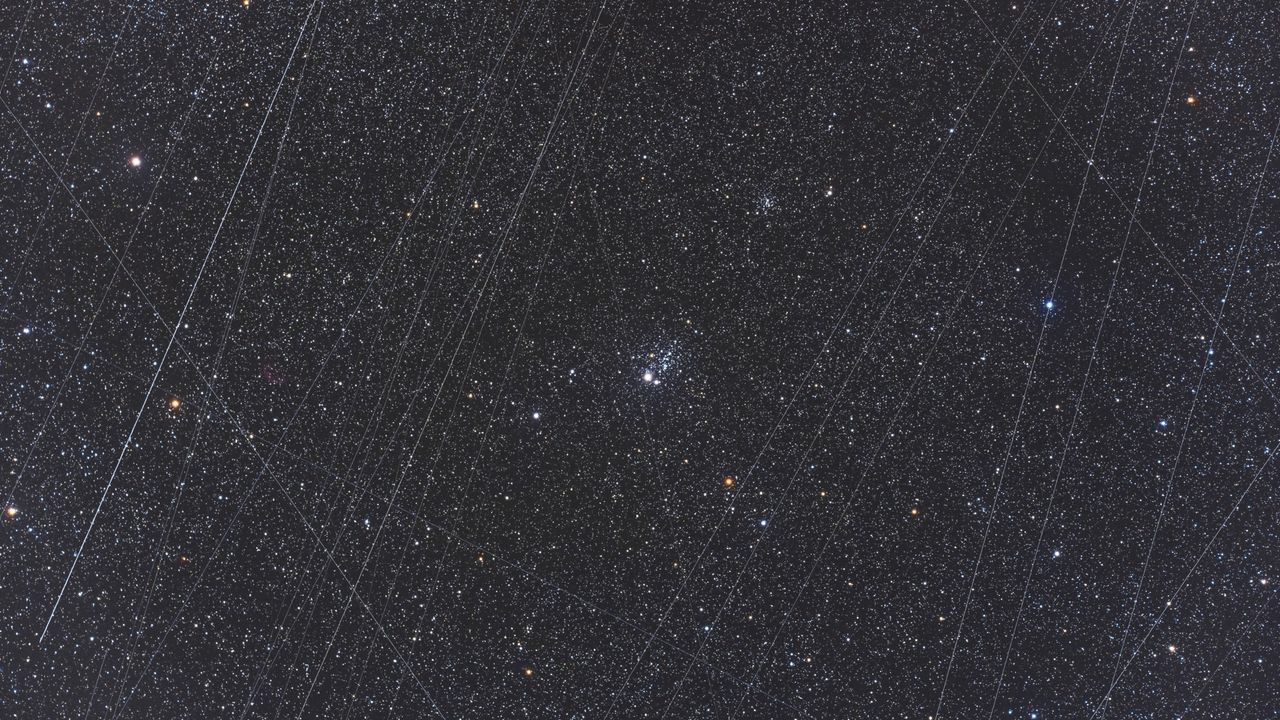
The U.S. Federal Communications Commission (FCC) can single-handedly approve space projects that will change the night sky around the world. The international community can do very little against it.
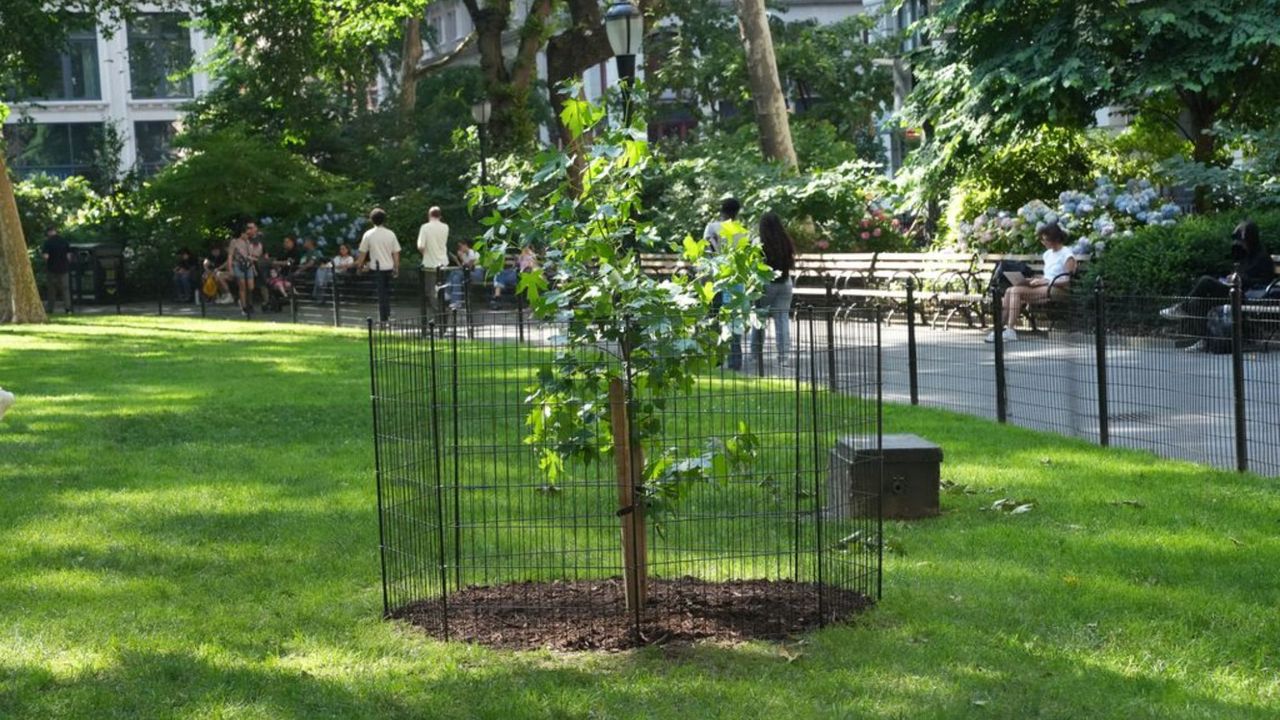
The Madison Square Park Conservancy unveiled its moon tree at a smoky birthday party.
The countdown is on! Millions of skywatchers will have front-row seats to a dramatic 96% 'blood moon' lunar eclipse. Here's what you need to know.
Lake fly larvae plunge more than 200 meters into Lake Malawi each day to hide from predators, using tiny air sacs to control their depth. A rubber-like material called resilin lets them expand or shrink the sacs by changing their pH. Their toughness challenges a popular explanation for why insects are absent from the open ocean.
Dreams are not random mental noise. A large study of more than 3,700 dream and waking reports found that what we experience during sleep is shaped by both our personalities and the world around us. Rather than simply replaying daily events, the dreaming brain mixes memories, emotions, imagined possibilities, and familiar settings into vivid new scenarios.
Unsweetened sparkling water may offer a tooth-friendlier alternative to sugary soda, according to a small preliminary study tracking how different drinks change mouth acidity. Soda caused the strongest and longest drop in salivary pH, while sparkling water produced only a temporary decline before saliva restored normal conditions. Importantly, acidity remained above the level associated with enamel damage.
Early humans in England crafted a rare piece of elephant bone into a reusable hammer for sharpening stone tools nearly 500,000 years ago. The extraordinary find reveals that ancient toolmakers were resourceful, skilled, and capable of surprisingly advanced planning.
Young Jupiter’s powerful magnetic field may have created a safe zone where several large moons could survive. Saturn lacked this protection, possibly explaining why Titan stands almost alone among its largest moons.
Eating within a shorter daily window may help protect certain thinking skills as people age. In a small six-month trial, older women who limited eating to about 8 to 9 hours a day performed better on planning and problem-solving tests than those who ate over 12 hours. Both groups lost similar amounts of weight, hinting that when people eat could matter in addition to how much they eat.
A controlled mouse study has provided direct evidence that inherited genetics can steer how cancer begins and evolves after DNA damage. The discovery could eventually help doctors better predict cancer risk and tailor screening and treatments to each patient.
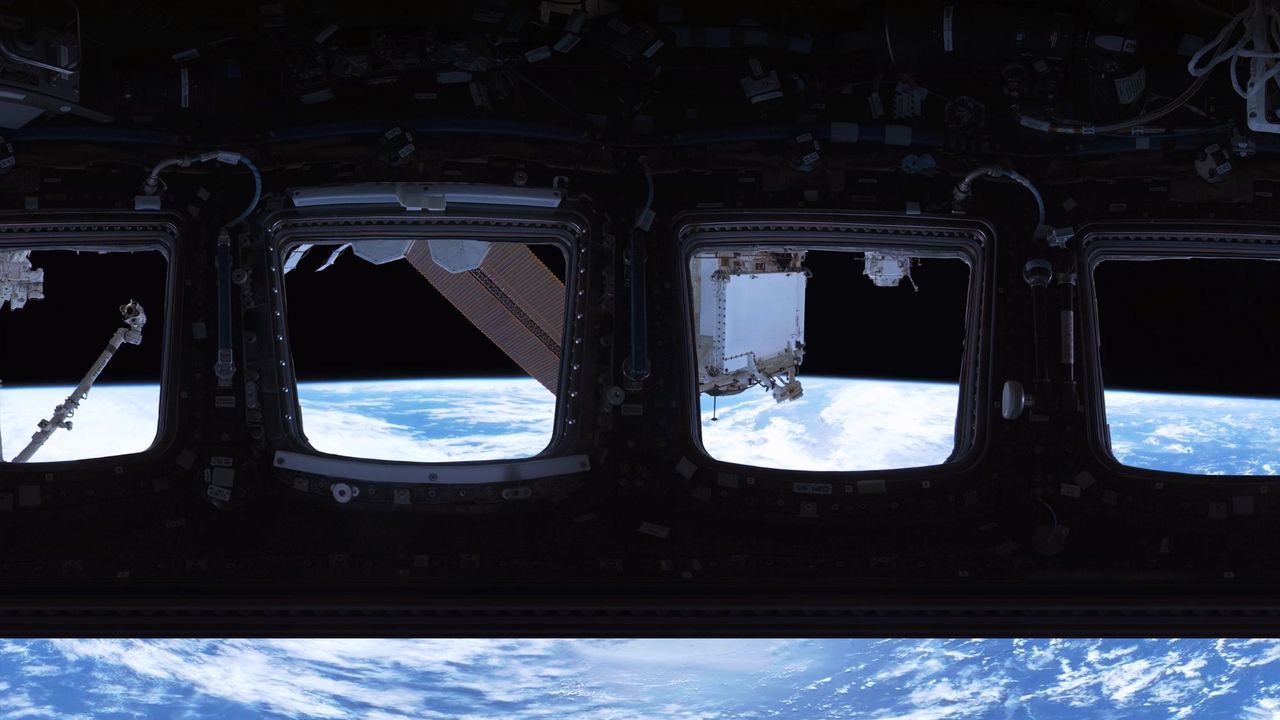
NASA astronaut Chris Williams and two Roscosmos cosmonauts are back on Earth after spending 241 days aboard the International Space Station. Their journey covered more than 102 million miles and included 3,856 trips around the planet.
They mostly don't come out anymore... mostly.
"Just the fact that it exists, just the fact that it continues to exist. We should marvel at that."
Giant sequoias are built to withstand ordinary fires, but recent extreme wildfires killed thousands of trees that had survived for centuries or even millennia. A new analysis of about 26,400 sequoias found that trees in areas treated with prescribed burns were nearly four times more likely to survive. Researchers estimate the controlled fires prevented about 1,900 deaths and could have saved thousands more if used across every grove.